When to Implement ERP for Small Label Converters
Many small and expanding label converters notice when their processes begin to struggle.
The business still works, it just takes more effort than it should. That's usually when ERP comes up. Teams start asking when to implement ERP without overwhelming the business. It's also when many companies delay, remembering long projects, heavy setup, IT dependency, and disruption that a smaller business can't absorb. Paxis changes that conversation for independent label converters by delivering ERP that fits their size and workflow, an ERP for small label converters that need a right-sized approach.
Recognize the Early Signs of Strain
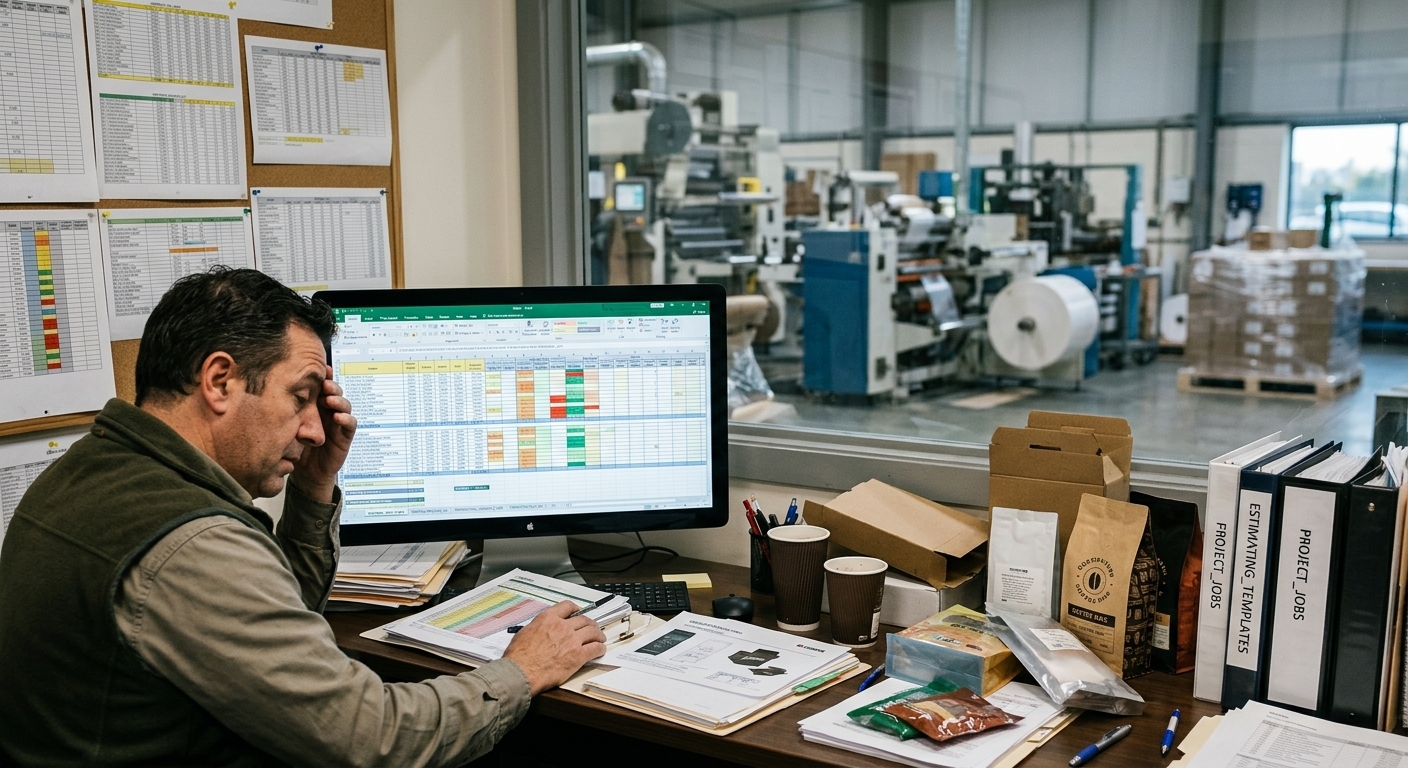
- Quotes take longer than they used to
- Jobs depend on the same handful of people
- Inventory checks interrupt the day more than they should
- Getting a customer update requires chasing someone down
Why Teams Put Off ERP
ERP has a reputation for complex, slow, and costly implementations. Smaller companies understandably hesitate when they picture months of disruption and a heavy IT burden.
The Hidden Cost of Waiting
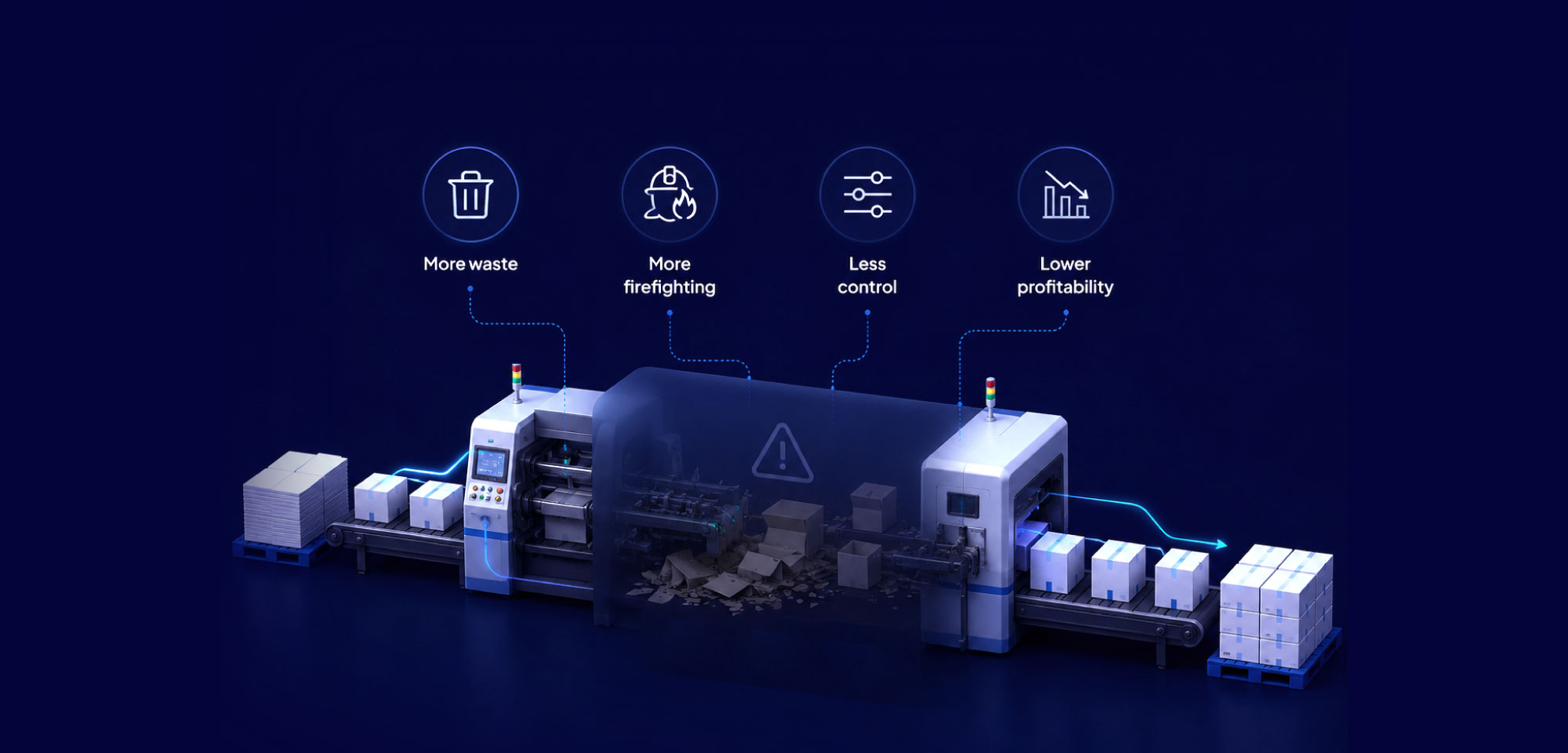
Delaying an ERP decision rarely feels costly at the moment. The spreadsheet still opens. The estimator still knows what to do. The owner can still step in when something's unclear. But the cost of waiting builds quietly through friction:
- Slower quotes
- Uncertain margins
- Avoidable errors
- Duplicated effort across the team
- Weaker visibility into stock and orders
For a business that competes on responsiveness, these small delays matter. They affect how fast you can respond to customers and how confidently you can price the next job.
ERP That Fits the Size of Your Business
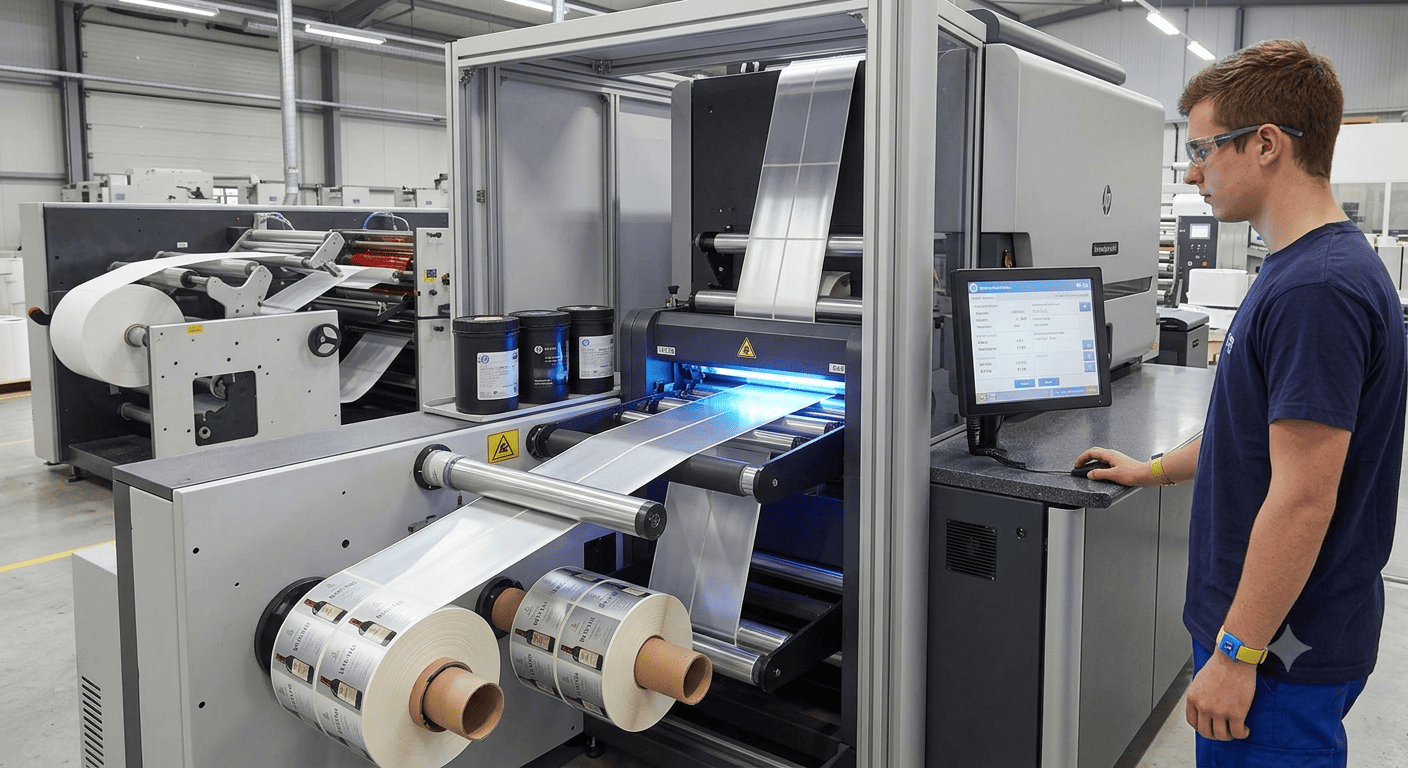
A small converter doesn't need a system built for a multinational enterprise. It needs ERP that fits day-to-day label operations. Paxis is cloud-based ERP for small and growing independent label converters, with tools designed specifically for digital and analog label work. As a cloud-native system, Paxis enables faster onboarding and real ERP capabilities without significant upfront infrastructure investment or a large internal IT team, reducing the implementation risk that holds many businesses back. In short, it's a cloud-based ERP implementation designed to move quickly and fit your operation.
Start With What the Team Touches Every Day
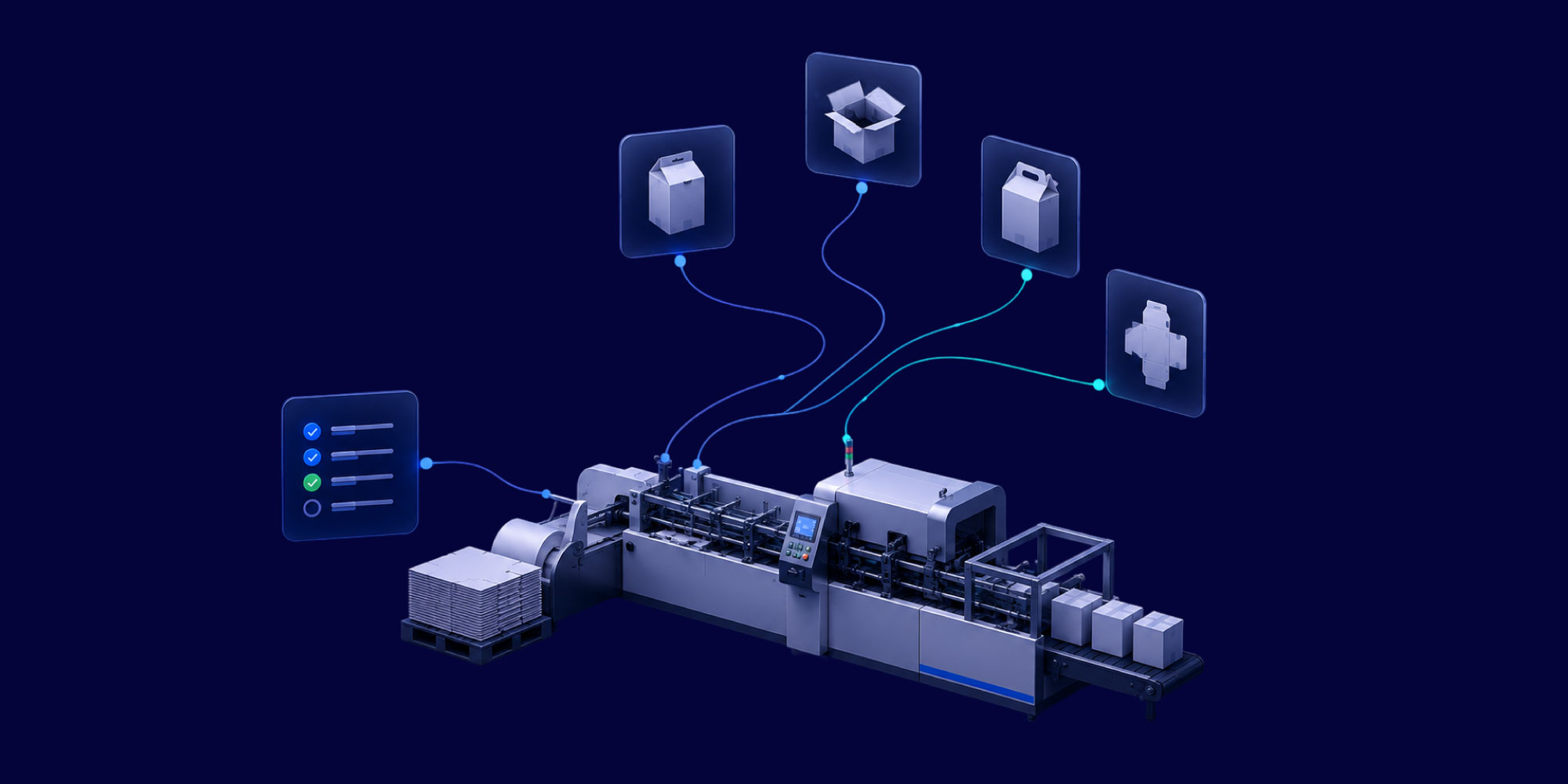
The strongest reason to move to an ERP isn't the technology, it's improving daily work:
- Quotes and orders
- Advanced estimating
- Inventory
- Production management
- Purchasing
- Shipping
- Accounting integration
- Real-time insight into what's happening
These aren't abstract features. They're your actual workflow. When they're connected instead of scattered, the team works with more confidence and far less manual double-checking.
Plan Ahead Instead of Reacting
Implementation goes more smoothly when you choose to act rather than being forced into it by a breakdown. Starting before current processes fail gives the team time to learn, adjust, and realize value early. It also reduces the workarounds that only get harder to maintain as you grow.
Act Before Bottlenecks Feel Normal
If you're already seeing:
- More short runs
- A growing number of SKUs
- Increased customer pressure
- Heavy reliance on one or two key people
The case for ERP already exists. Paxis gives independent label converters a practical way to act now, before those pressures become permanent limits on growth.
If you're evaluating when to implement ERP and want a practical path forward, talk to ePS about Paxis ERP.