PPWR Data Readiness and Technical Documentation
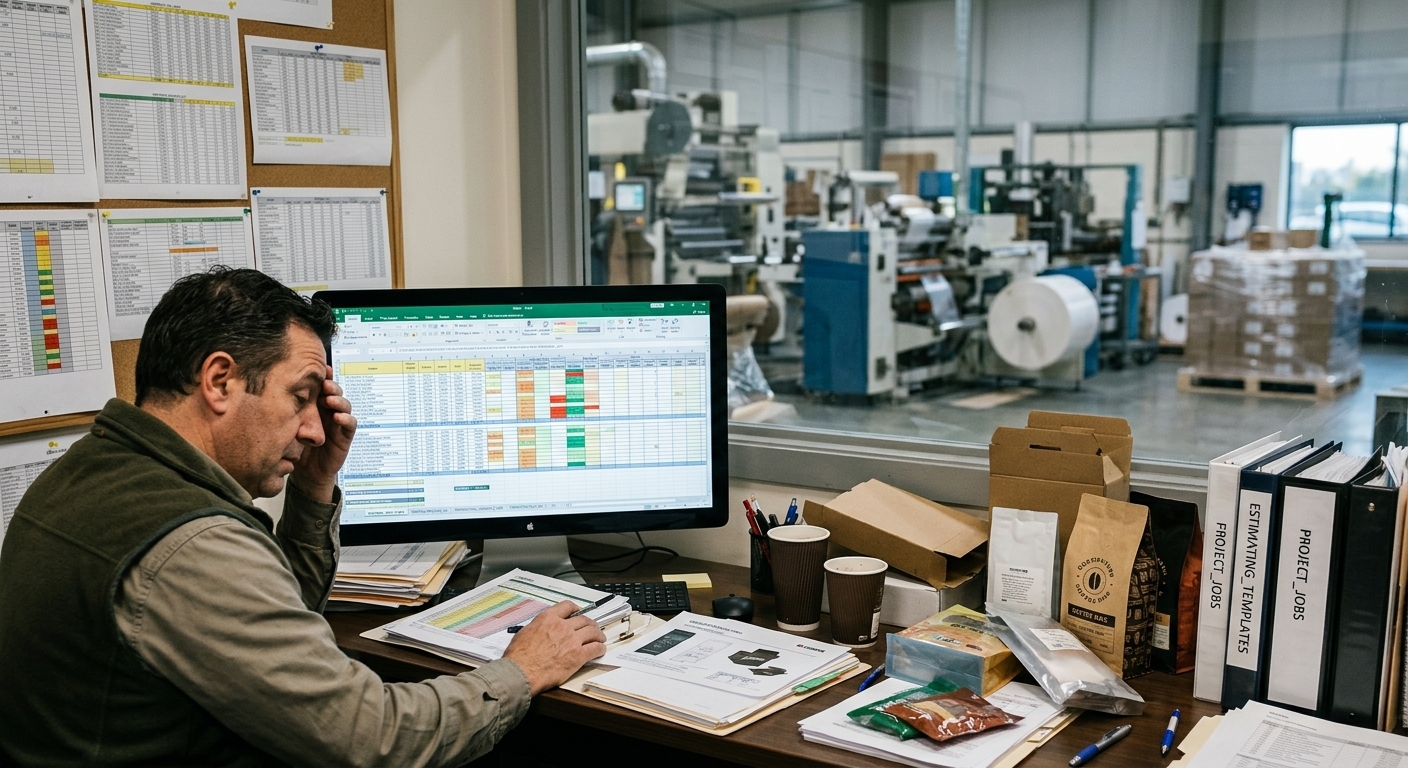
A manufacturer gets a call from a market surveillance authority. They have ten days to send technical documentation that proves the packaging meets the PPWR. The pack is fine. The real issue is PPWR compliance data. No one can find it in a usable form.
That is why PPWR data readiness matters. The PPWR was published in the EU Official Journal in January 2025 and took effect that February. It starts to apply from 12 August 2026, when most duties become enforceable. The industry knows it is coming. Few teams have checked whether their data and systems could survive that test.
Why PPWR Data Readiness Is Harder Than It Looks
- The rule makes packaging's green rating a condition of market access, not a report you file later.
- From 12 August 2026, packaging on the EU market must show conformity, with technical documentation, before it can go on shelves.
- Manufacturers and importers must finish a conformity check and create that file before market entry, then keep it for five years for single-use packs and ten for reusable ones.
- Authorities can ask for it any time, and the clock on sending it by email runs to ten days, not ten weeks.
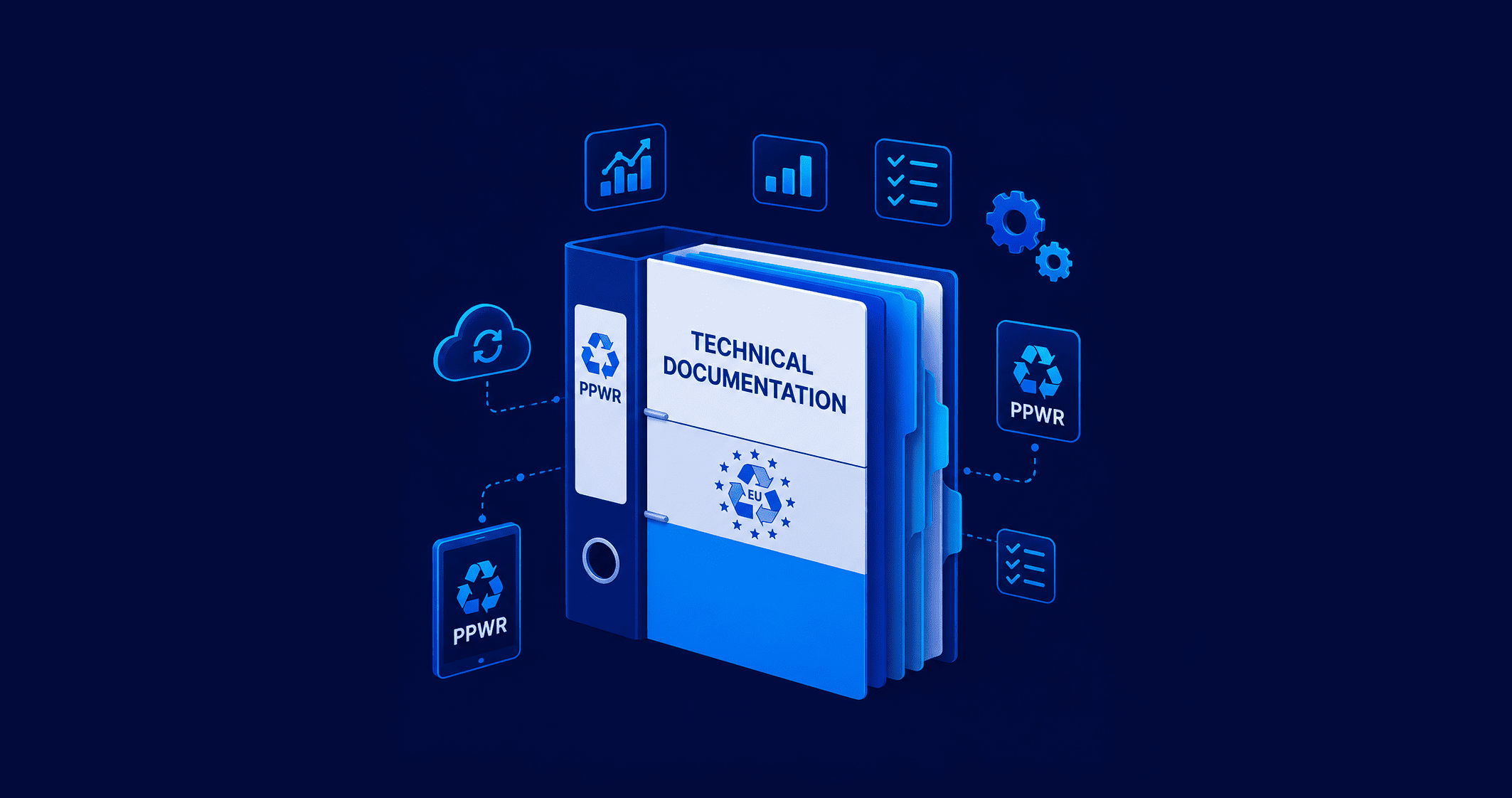
What PPWR Technical Documentation Has to Cover
This only works if the data already exists in structured form. Most packaging lines were not built that way. The documents need the right PPWR compliance data from the start.
- Substance limits, PFAS limits in food contact, and heavy metal caps need material-level data many firms only keep as informal notes or simply trust suppliers.
- Plastic recycled content rules do not start until 2030, but the checked methods behind them must exist by 2029. That means tracking of post-consumer recycled content through the supply chain must be routine well before then, not a last-minute guess.
The Ten-Day Response Window
- Recycling performance will need to be provable at the unit level once design-for-recycling rules arrive in delegated acts by January 2028.
- EPR registration is a condition for market access and needs structured reporting of volumes by material group.
- None of it is doable on its own.
- All of it is much harder to pull together at audit time, under a ten-day clock, than to capture as part of normal production.
Where PPWR Technical Documentation Breaks Down
This is where the gaps show up in practice. It rarely fails in one big way. It fails in three small ones, across every SKU.
- Raw material use is counted at period end, not tracked by job in real time.
- Recycled content sits on supplier invoices, not linked to the exact run or finished pack.
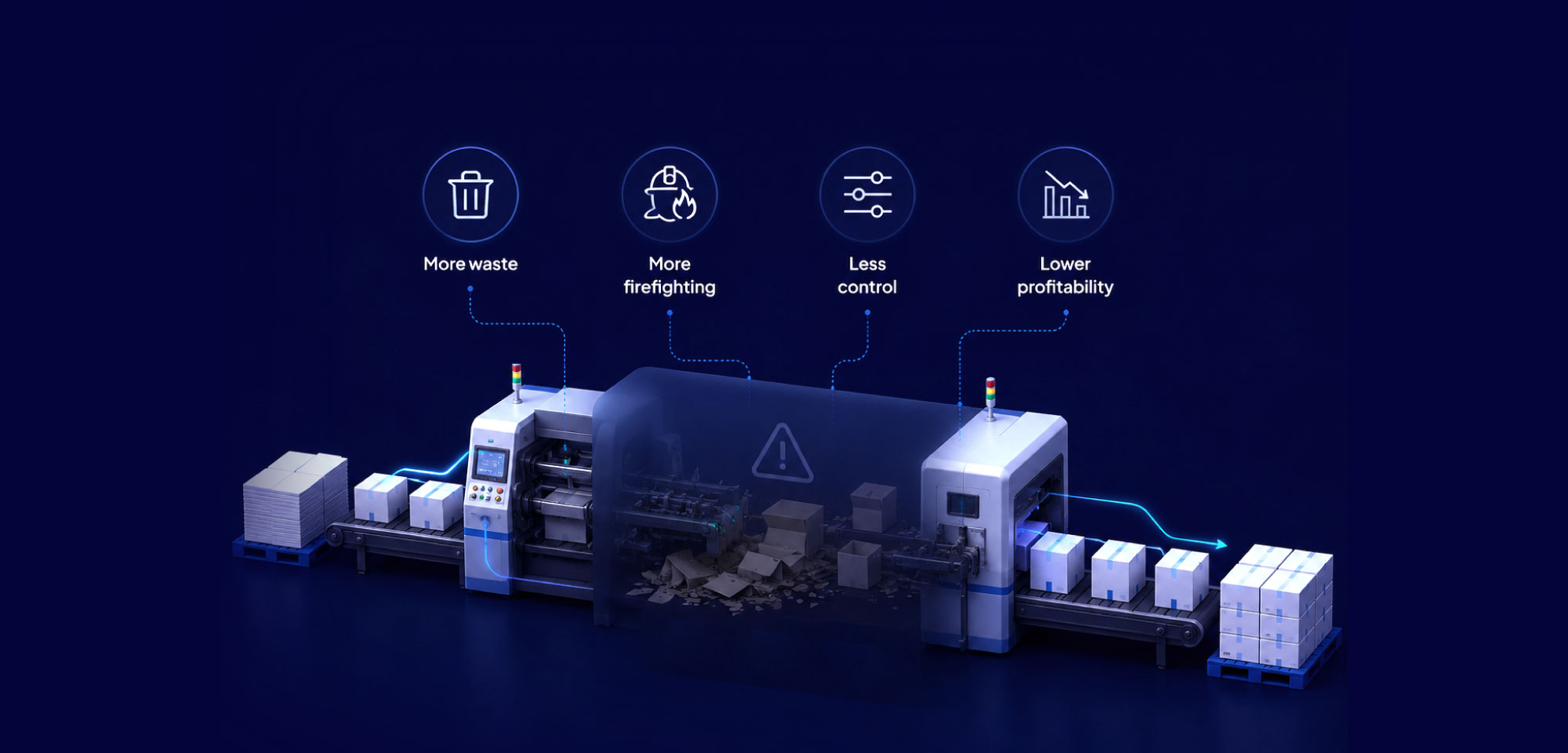
- Scrap and waste data is captured for internal use, but not in a form that maps to the PPWR's material groups.
Why Better Data Means Lower EPR Fees
- The PPWR sets recycled content as a plant-level yearly average. The method for checking that average will need to match the acts due by end of 2026, likely with third-party audits.
- Passing that audit depends on the production data under it.
- EPR fees will also change with recycling performance grades, so this is not just a compliance gap.
- Better data means better grades. Better grades mean lower fees.
- This is a cost line, not just a filing issue, and it belongs next to your other cost-cutting work.
Why This Compliance Model Feels Unfamiliar to Converters
Part of what makes the PPWR confusing is that it brings goods-rule logic into packaging for what is, in practice, the first time. The EU Declaration of Conformity, the technical file, and supplier tracking duties come from product safety and CE marking systems. For most packaging plants, that is new ground.
Borrowing Logic From Product Safety Law
- Suppliers now have an explicit duty to give makers the docs needed to prove compliance with substance limits and green rules.
- Distributors must verify EPR registration and labelling compliance before making packaging available.
Together, that builds a paper trail from material suppliers through converters to brand owners, which means the PPWR reaches directly into work processes, not just brand-owner green reports.
How to Start Closing Your PPWR Data Gaps Now
None of this means reinventing the business. It does mean taking a hard look at today's gaps and closing them before the rule takes effect. The teams that handle it well will already have clear visibility into material flows, production data, and supplier info. Everyone else faces a rushed and costly scramble in the second half of 2026.
What Manufacturers Should Audit First
Start with three questions.
- Can you pull material-level substance data for one SKU now, without emailing three people?
- Can you trace recycled content from a supplier invoice to a specific production run?
- If a market surveillance authority called tomorrow, could your team produce a full technical file inside ten days?
If the honest answer to any of those is no, that is where PPWR data readiness work should start, not with the later deadlines.
Being compliant in theory is one thing. Proving it on demand is another. That is where most packaging manufacturers will be tested, and it rewards preparation more than it punishes small gaps.
Getting Ahead of PPWR Data Readiness
PPWR data readiness is not a single project with a finish line. It is a work habit: capture material, waste, and recycled content data as work happens, not by rebuilding it under pressure when an authority or customer asks. The firms that do that now will find August 2026, and every deadline after it, far less stressful than the firms that wait.
PPWR just became a data problem. Here's why that's good news.
Discover why packaging compliance is becoming a data challenge, and how connected information can turn regulatory change into an opportunity.