Inventory, Waste and Traceability Without Enterprise Overhead
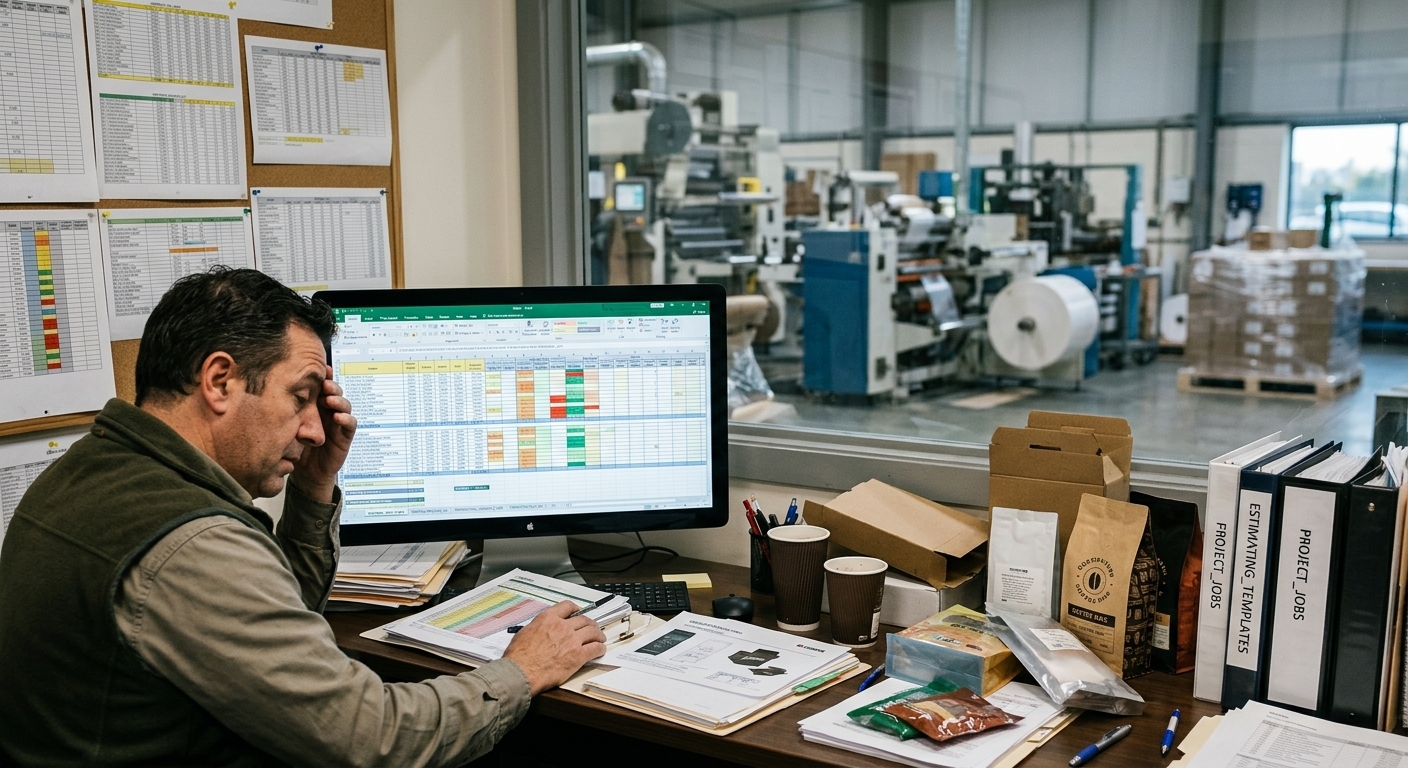
Material visibility is really a margin issue, even though it doesn't always get talked about that way. For small label converters, inventory decisions ripple through quoting, purchasing, production timing, waste, and customer service – making inventory management a practical lever for profitability. Yet plenty of businesses are still managing material information through spreadsheets, manual stock checks, or plain experience-based guesswork.
That approach can work fine when volumes are low and the operation is fairly simple. It gets harder as customers start asking for faster turnaround, more product variety, and tighter control over how their work gets handled. At that point, the team really does need to know what materials are on hand, what's running low, what's already been allocated to a job, and where finished goods actually sit between production and shipment.
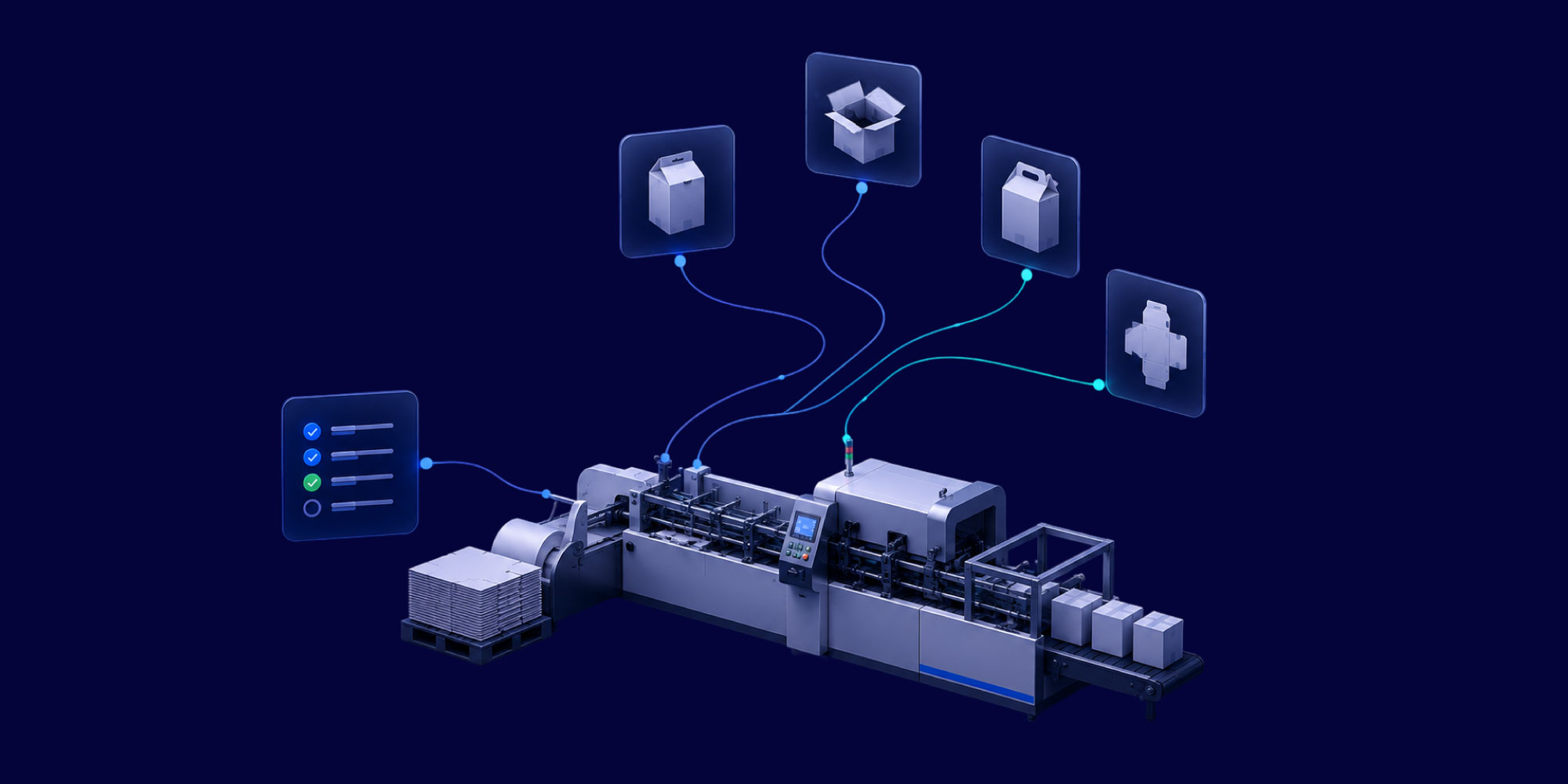
Paxis gives small label converters practical ERP capabilities – real-time inventory visibility for raw and finished goods, alerts, and connected data – without enterprise overhead. By tying operations to the broader workflow, it helps reduce waste, improve traceability at the pallet level, and provide clear, timely insight for better decisions. Integrated purchasing and a shipping dashboard round out end-to-end control. The result is scalable, margin-protecting control that strengthens customer service as businesses grow.
Inventory control doesn't have to feel like enterprise software
Smaller converters don't need a complex system built for a completely different scale of business. What they need is something practical that helps manage materials and finished goods without piling on extra administration.
Paxis supports inventory management for both raw materials and finished goods, helping converters optimize stock levels, cut down on waste, and protect profitability. It also includes real-time tracking and notifications when supplies run low, so the team has visibility before a shortage turns into an actual production problem.
Waste reduction starts with seeing the problem clearly
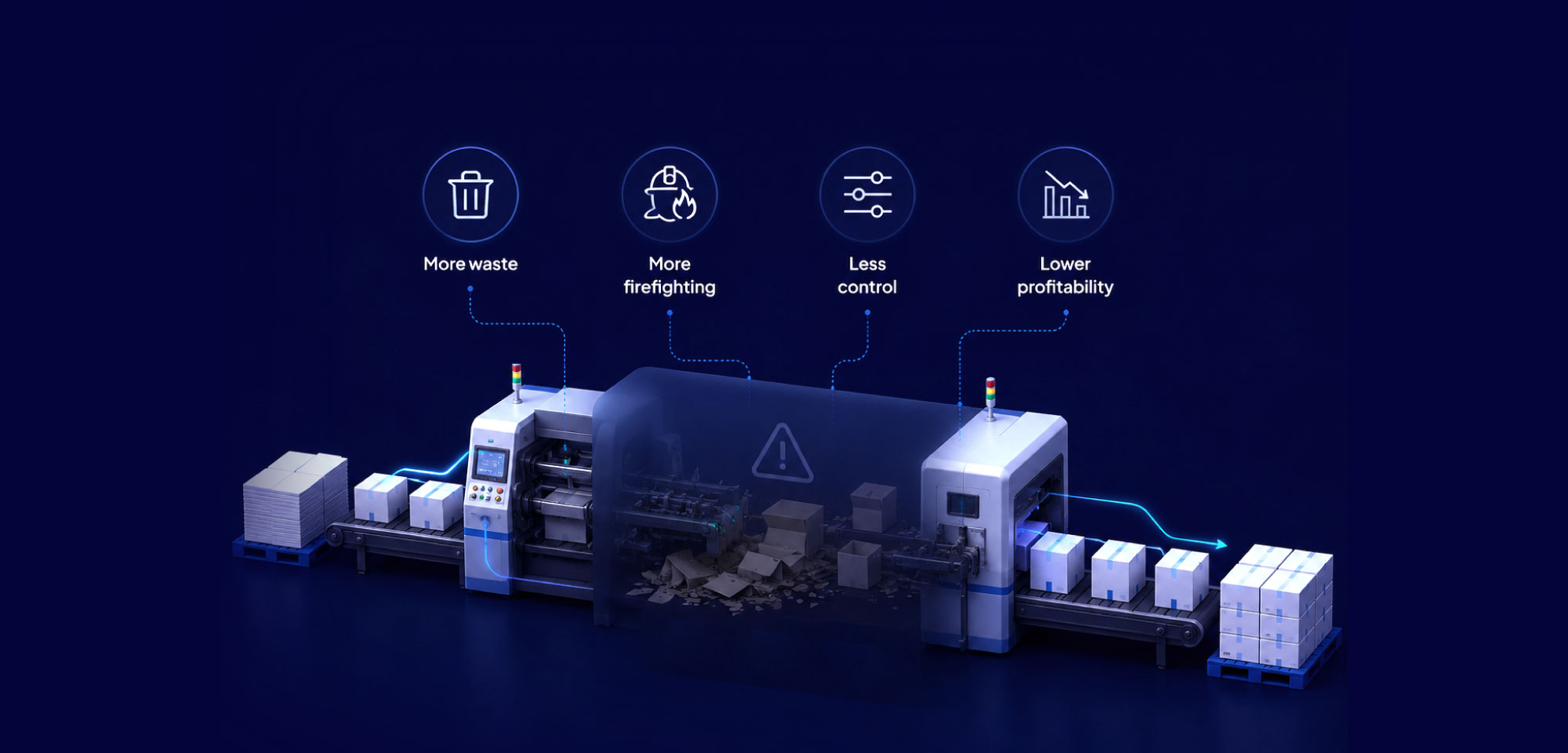
Waste isn't usually dramatic. It's often small overproduction on a job, inefficient stockholding, material substitutions that seemed fine at the time, or a job that just used more than expected. None of that shows up clearly if the information isn't being captured somewhere the team can actually see it.
Paxis connects operational data to the rest of the ERP workflow, supporting a waste-reduction ERP approach, so these small costs no longer hide in the gaps between departments. Simple data collection feeds into real-time operational insights, giving owners a much clearer picture of what's actually happening and helping them make better decisions rather than reacting after the fact.
Traceability at a level that actually makes sense
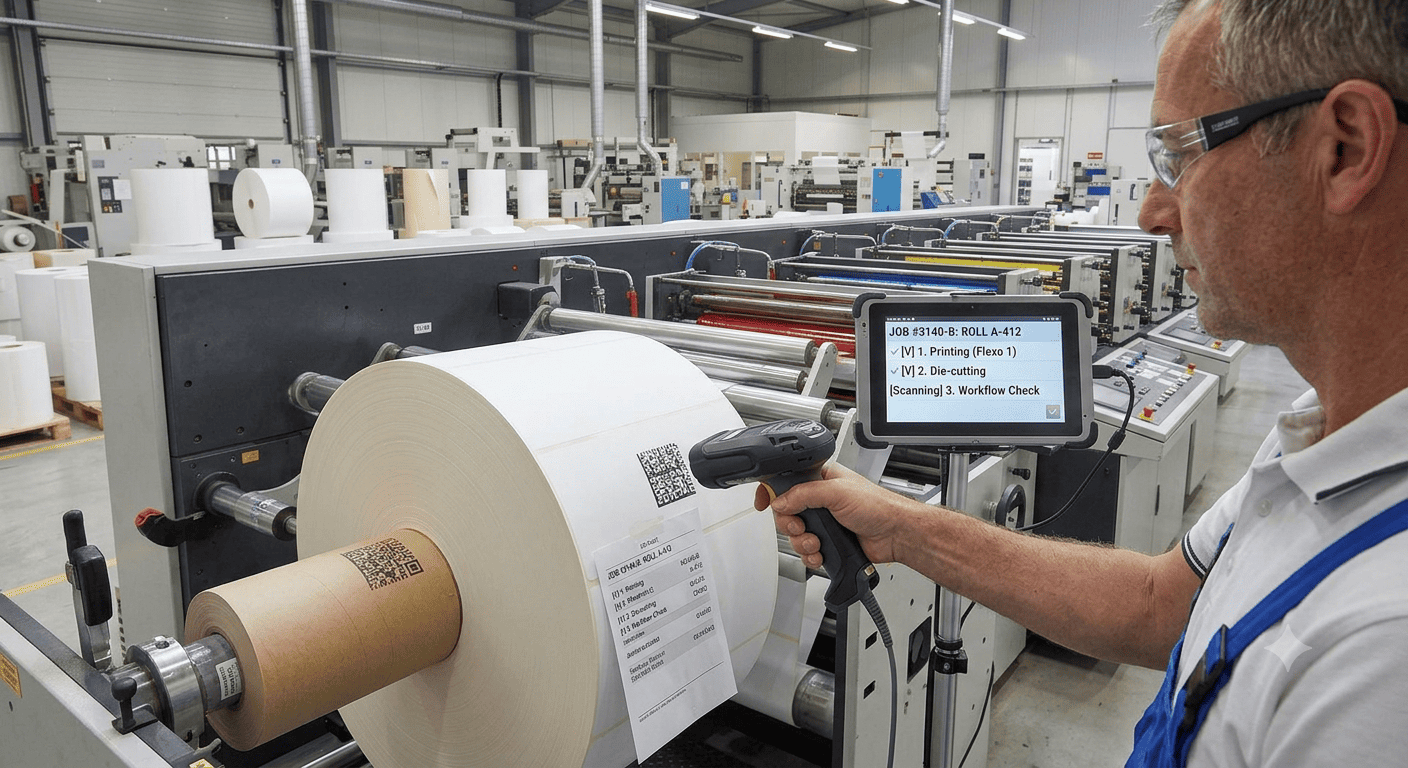
For most smaller converters, traceability doesn't need to turn into a big enterprise reporting project. It just needs to mean that materials and products can be tracked clearly enough to support day-to-day control and give customers confidence when they ask questions.
As label traceability software, Paxis enables pallet-level tracking throughout production and the supply chain. That kind of detail helps a business answer questions faster and handle issues with more confidence, all without forcing the company into heavy systems built for organizations several times its size.
Purchasing and shipping round out the picture
Inventory visibility becomes a lot more useful once it's connected to the rest of the workflow, not sitting off on its own. Paxis includes purchasing features to help manage suppliers and materials, along with a dedicated shipping dashboard that helps the team manage deliveries and keep work moving through the final stage of the order lifecycle.
Practical control that scales with growth
As a label converter grows, the cost of weak inventory control grows right along with it. Paxis gives small and growing independent converters real ERP capability across inventory, traceability, purchasing, and shipping. The point isn't more bureaucracy. It's better control over the everyday details that quietly protect margin and keep customer service strong.
Ready to see Paxis in action?
Schedule a personalized demo and see how ePS fits your operation.