The Anatomy of a Profitable Quote for a Small Label Converter
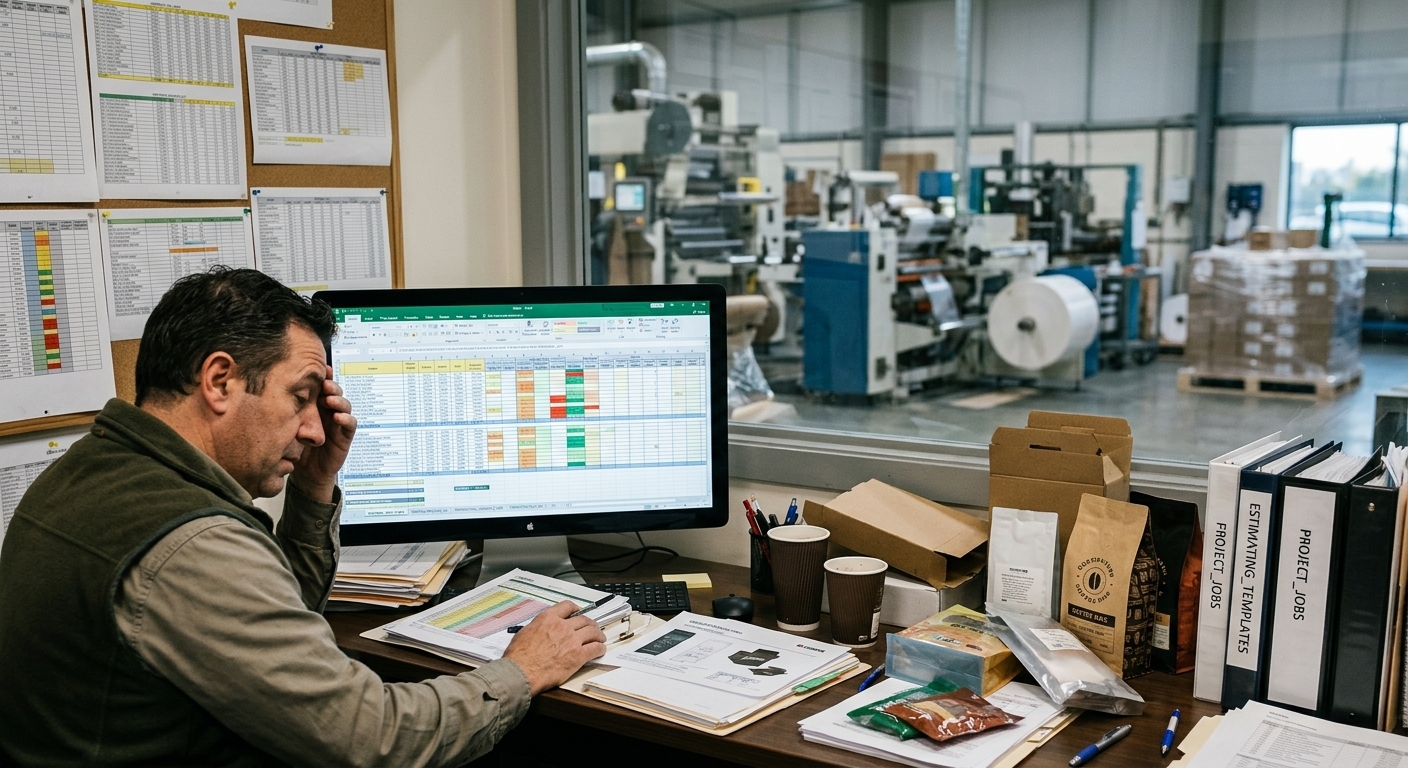
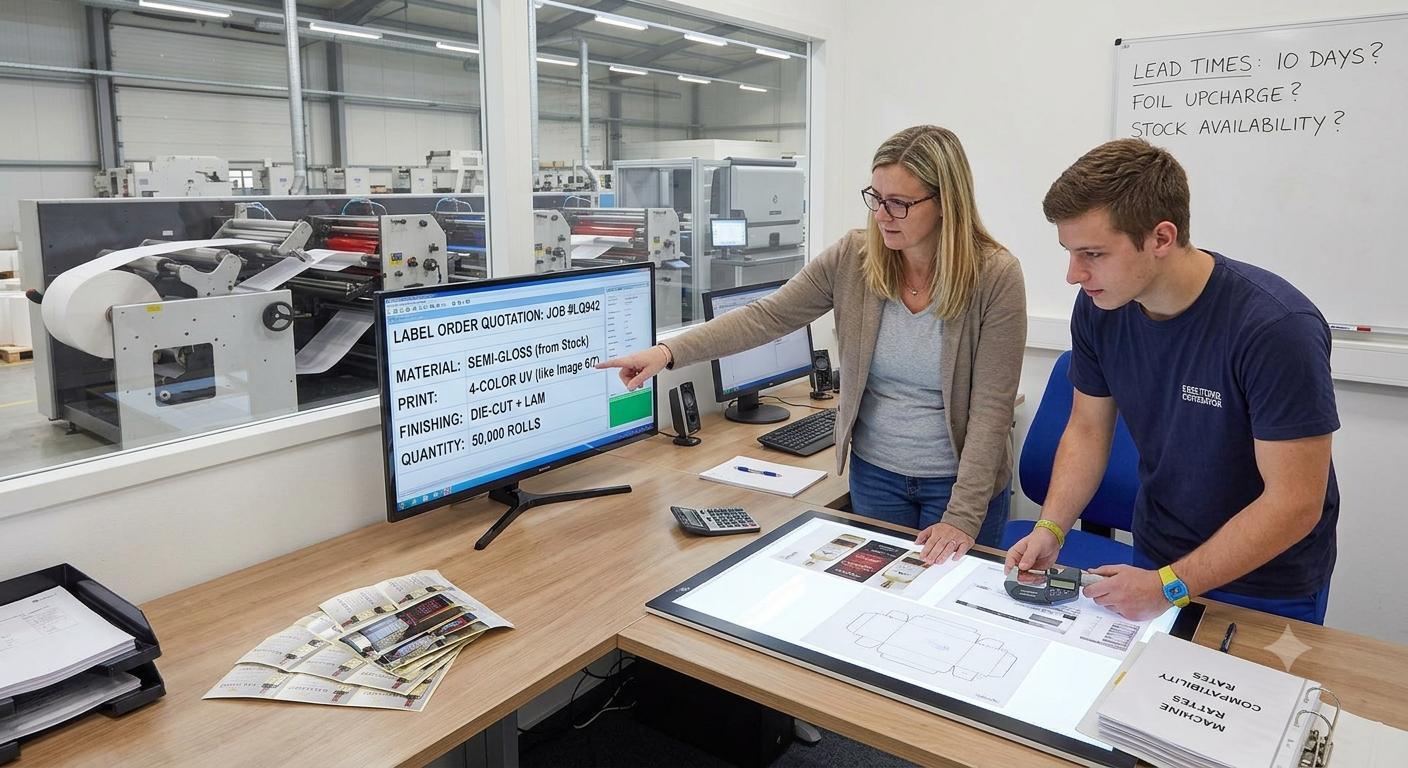
If you run an estimation for a small label converter, you already know the pressure. A customer wants a number today. A competitor might be quoting the same job. And the fastest path to an answer is usually a spreadsheet, an old job file, or whatever the most experienced person in the room remembers.
That instinct isn't wrong. Experience is of real value. But experience holds up best when it's backed by actual data, not memory alone.
Small label converters need quotes that are fast and accurate, grounded in data rather than memory. Paxis ERP embeds label estimating with time and materials, automated machine and process selection, and real operational data to align quotes with how jobs actually run. By linking quoting to order management and capturing expert knowledge in a shared system, it reduces errors, dependency on one person, and manual handoffs. This creates a feedback loop that improves future estimates, protects margins, and supports profitable growth.
What a solid quote actually needs
A quote that holds up under production pressure has to account for more than quantity and material cost. It needs real numbers on time and materials, the right machine and process selection, substrate use, finishing steps, and a production route that makes financial sense once the job hits the floor.
When that information lives in five different places, the estimator ends up guessing to fill the gaps. That's not a knock on the estimator. It's what happens when the system doesn't support the job.
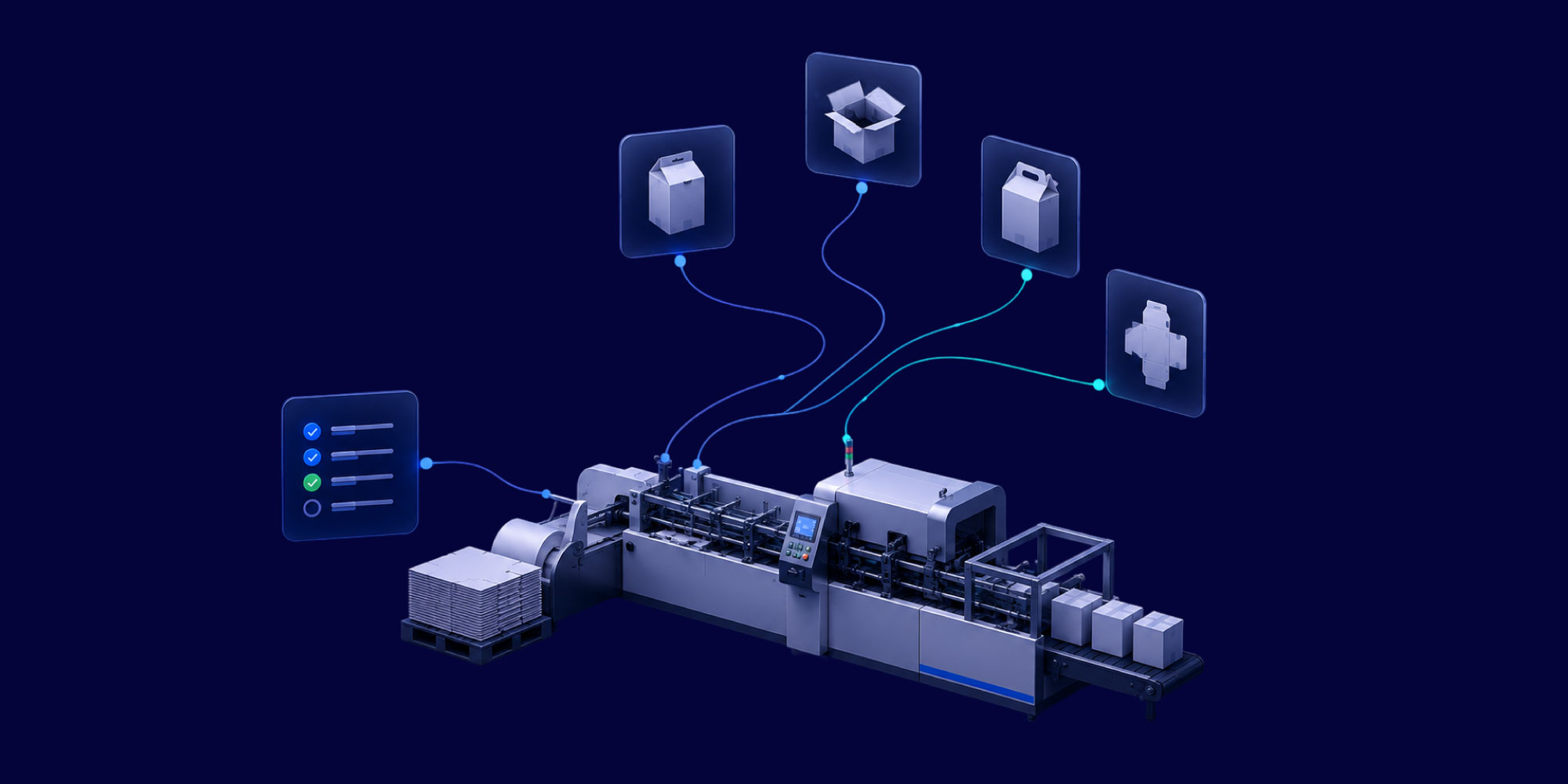
This is where Paxis makes a practical difference. As a label converter ERP system with embedded label estimating software, it supports time and materials estimating along with automated machine and process selection, so a quote reflects how the job will actually run, not a rough estimate based on the last similar job.
Speed is only worth something if the quote holds up
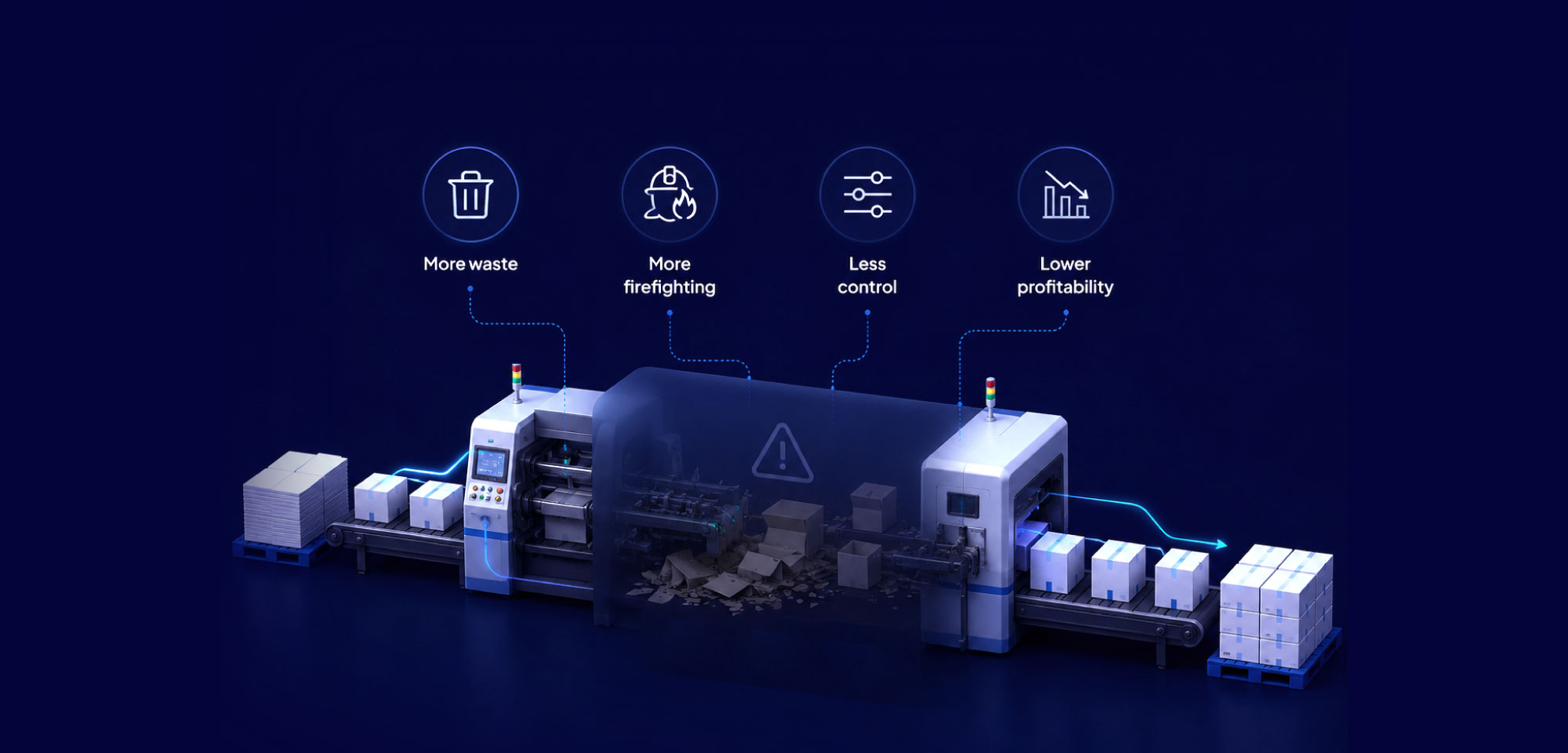
Turning a quote around fast feels like a win at the moment. But if it misses a cost, that win disappears the moment the job goes into production, or worse, the moment someone reviews margins at month end and can't figure out why a busy month didn't pay off.
By linking quoting to order management and real operational data within a single label converter ERP system, Paxis cuts down the gap between what was promised and what actually gets produced.
- Fewer manual handoffs.
- Fewer re-entry mistakes.
- A cleaner path from quote to order.
The one-person problem
Here's something a lot of independent converters don't like to admit: their estimating process depends entirely on one person. That person knows which materials cause problems, which jobs always run long, and which assumptions need adjusting. That knowledge is valuable. The risk isn't that it exists, it's that it's invisible to everyone else.
When that knowledge only lives in someone's head or a personal spreadsheet, the business is one vacation, one resignation, or one growth spurt away from a real problem. Paxis helps move more of that logic into a shared system, so consistency doesn't depend on one person being available.
Turning quotes into a feedback loop
A good quote shouldn't just get the job. It should make the next quote better. When you can compare what was estimated in your label estimating software against what actually happened in production, patterns show up. You start to see where assumptions were solid, where jobs ran longer than planned, and where certain materials or processes need a second look next time.
For a small label converter, that feedback loop matters more than it might seem. It turns ordinary day-to-day work into information the business can actually use, and that information becomes better decisions down the line. Paxis gives smaller teams a way to quote with more confidence, cut down on avoidable mistakes, and build toward growth that's actually profitable.
Ready to see Paxis in action?
Schedule a personalized demo and see how ePS fits your operation.