
KEY TAKEAWAY: Lightweighting narrows your operating window. You no longer have the margin to allow for 'unrecorded tweaks'
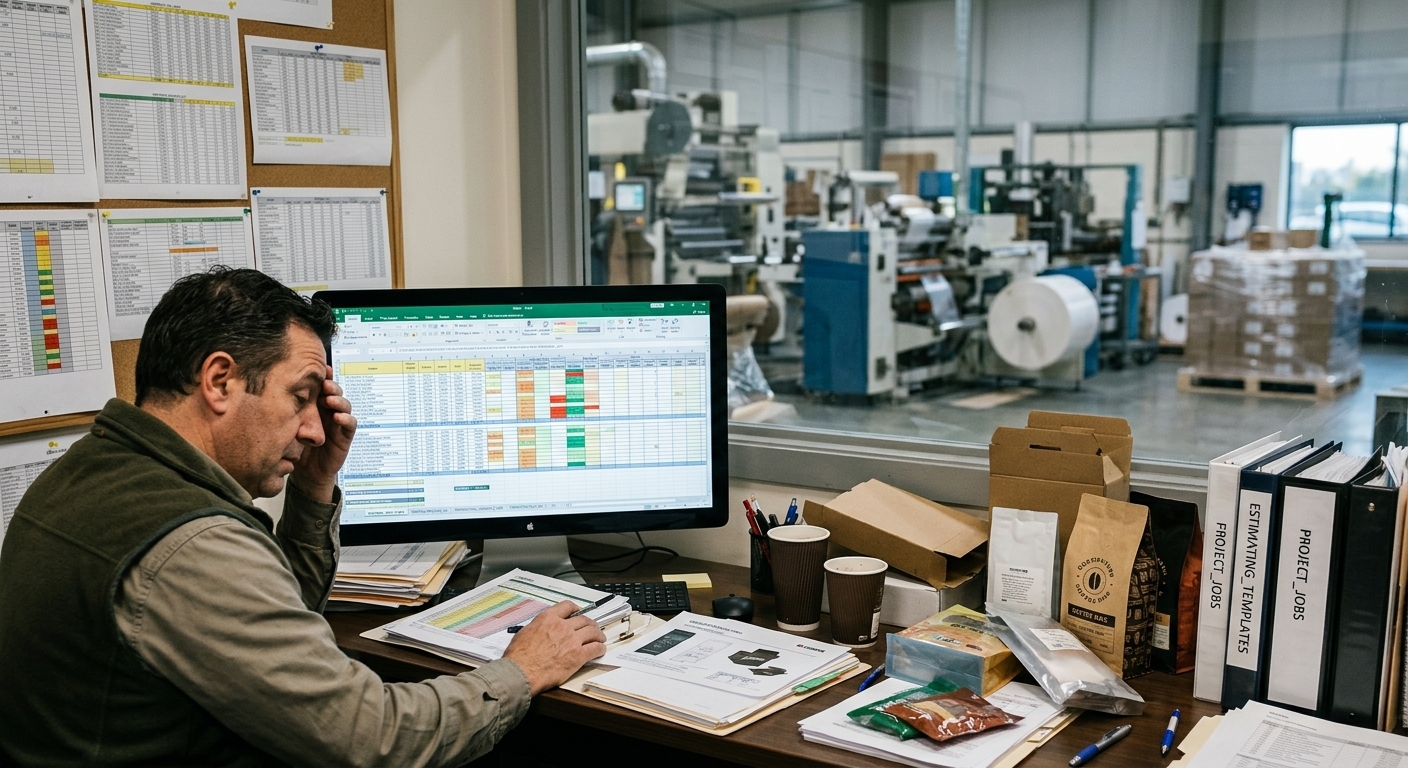
Every corrugated plant has one. The operator who just knows, who can read the corrugator, adjust the settings, feel when something is slightly off, and bring a job back into spec before it becomes a problem. They are invaluable, and they are a risk.
Not because they do anything wrong, but because their knowledge lives in their head. When they are not on shift, when they retire, or when they are pulled onto a different line, that knowledge does not transfer with them. The next person does their best, but the results are less consistent. Quality becomes a function of who is running the machine rather than how well the process is designed.
This is the tribal knowledge problem, and it is one of the most common sources of unnecessary variability in corrugated manufacturing.
Why Recipes Drift
Corrugator recipes, the combination of speed, steam pressure, heat settings, glue viscosity, and gap settings for a given board combination, are not fixed objects. They evolve. An experienced operator finds that a small adjustment improves bond strength with a new paper supplier. Another operator on the next shift does not know about the adjustment and runs the previous settings. A third operator makes a different tweak for a different reason. Over time, the recipe for what looks like the same job can vary significantly between shifts or operators, with no formal record of what was changed or why.
The consequence of this drift is that quality becomes unpredictable in ways that are hard to diagnose. When ECT or BCT results vary, it is not always obvious whether the variation is coming from paper quality, machine condition, or operator-to-operator recipe differences. Without documented recipes, that question often cannot be answered.
What Standardization Actually Means
Standardizing recipes does not mean removing operator judgment. Experienced operators have real and important knowledge about how to run a corrugator well, and that knowledge should be captured and encoded into the standard, not overridden by it.
What standardization does mean is that the best current knowledge about how to run a given board combination is documented, accessible, and consistently applied. It means that when an operator makes a change that improves results, that change is recorded, reviewed, and, if it genuinely works, incorporated into the standard recipe rather than existing only in that operator’s memory.
It also means that when something changes, such as a new paper supplier, a different ambient temperature, or a machine component that has been serviced, the starting point for any recipe adjustment is documented and understood, not guessed at.
The Relationship Between Standardisation and Lightweighting
Lightweighting makes this more urgent, not less. As board specifications move closer to their performance limits, the operating window, meaning the range of settings within which the corrugator will produce acceptable board, narrows. In a heavily specified board, a recipe that is slightly off will still produce acceptable output. In a lightweighted board, that same recipe deviation may push results below spec.
Consistent, documented recipes are one of the primary tools for managing this narrower operating window. When the recipe is right and applied consistently, the process is predictable. When recipes are informal and variable, the output of lightweighted board becomes a lottery.
Building Recipe Change Control
The practical starting point is documentation: capturing current best-practice recipes for common board combinations in a form that is accessible to all operators and that can be updated in a controlled way. Beyond documentation, the discipline lies in the change control process, ensuring that adjustments are made deliberately, recorded, and evaluated against performance outcomes rather than simply carried forward informally.
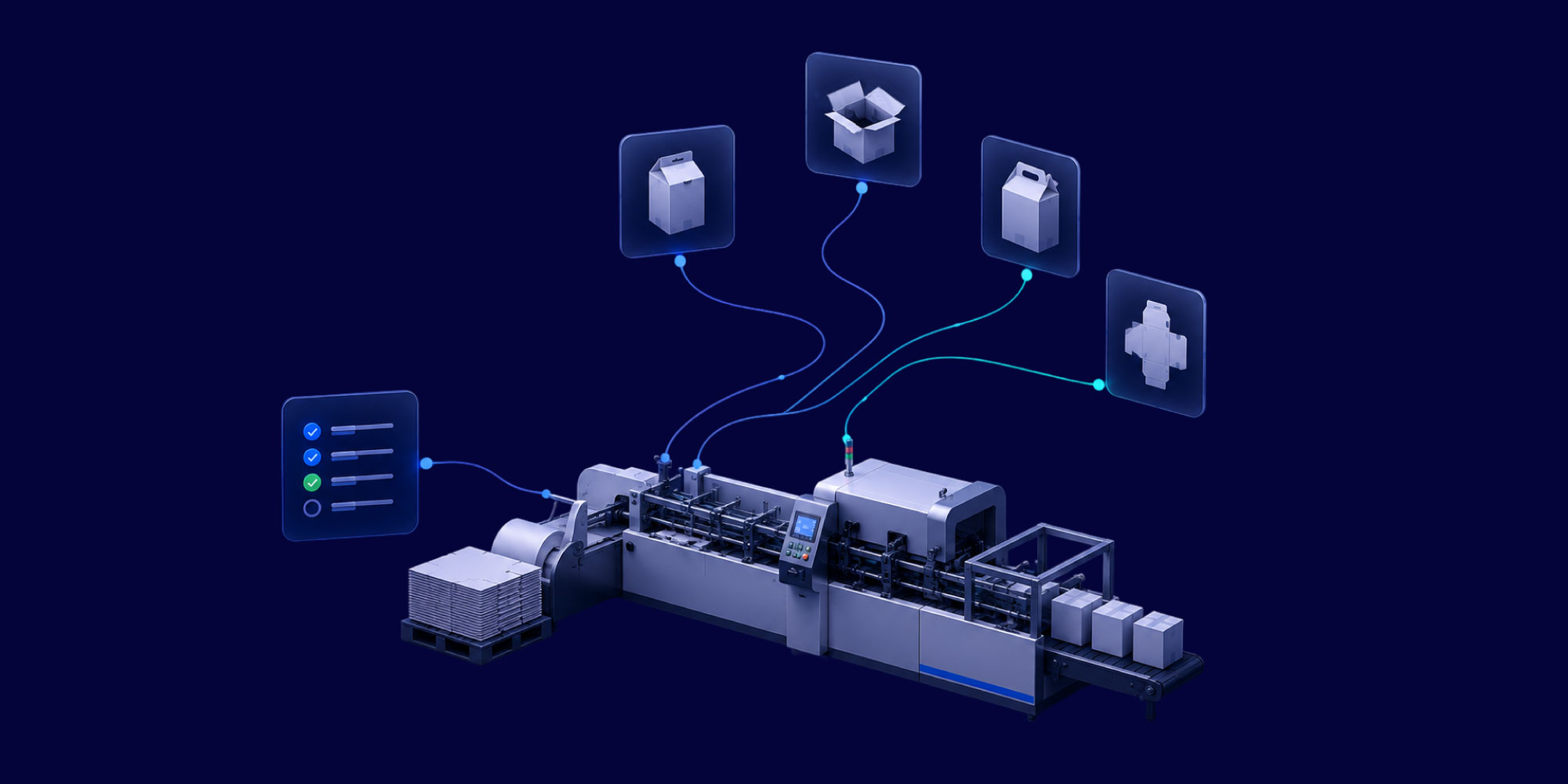
PRO-TIP: Modern ERP/MES systems can lock recipes to prevent 'rogue' adjustments, ensuring that only validated changes are permanent
When recipe decisions are connected to quality data, when operators and quality managers can see how a recipe change affected ECT, bond strength, or warp, the feedback loop that makes continuous improvement possible is in place. Without that connection, process knowledge remains fragmented, and the plant remains dependent on the individuals who happen to hold it.
We've put together a practical guide to corrugator recipe standardisation, covering how to document best-practice recipes, structure a change-control process, and link recipe decisions to quality outcomes. If reducing your dependence on tribal knowledge is on your agenda, it's a useful starting point.