
KEY TAKEAWAY: How recipe adaptation using performance outcomes closes the gap between quality assurance and the production floor
It happens regularly in corrugated plants. A new batch of rolls arrives, same supplier, same grade specification, and something is subtly different. The corrugator runs, but ECT results drift lower than expected. Bond strength is slightly off. The board is coming out with a trace of warp it didn't have last week.
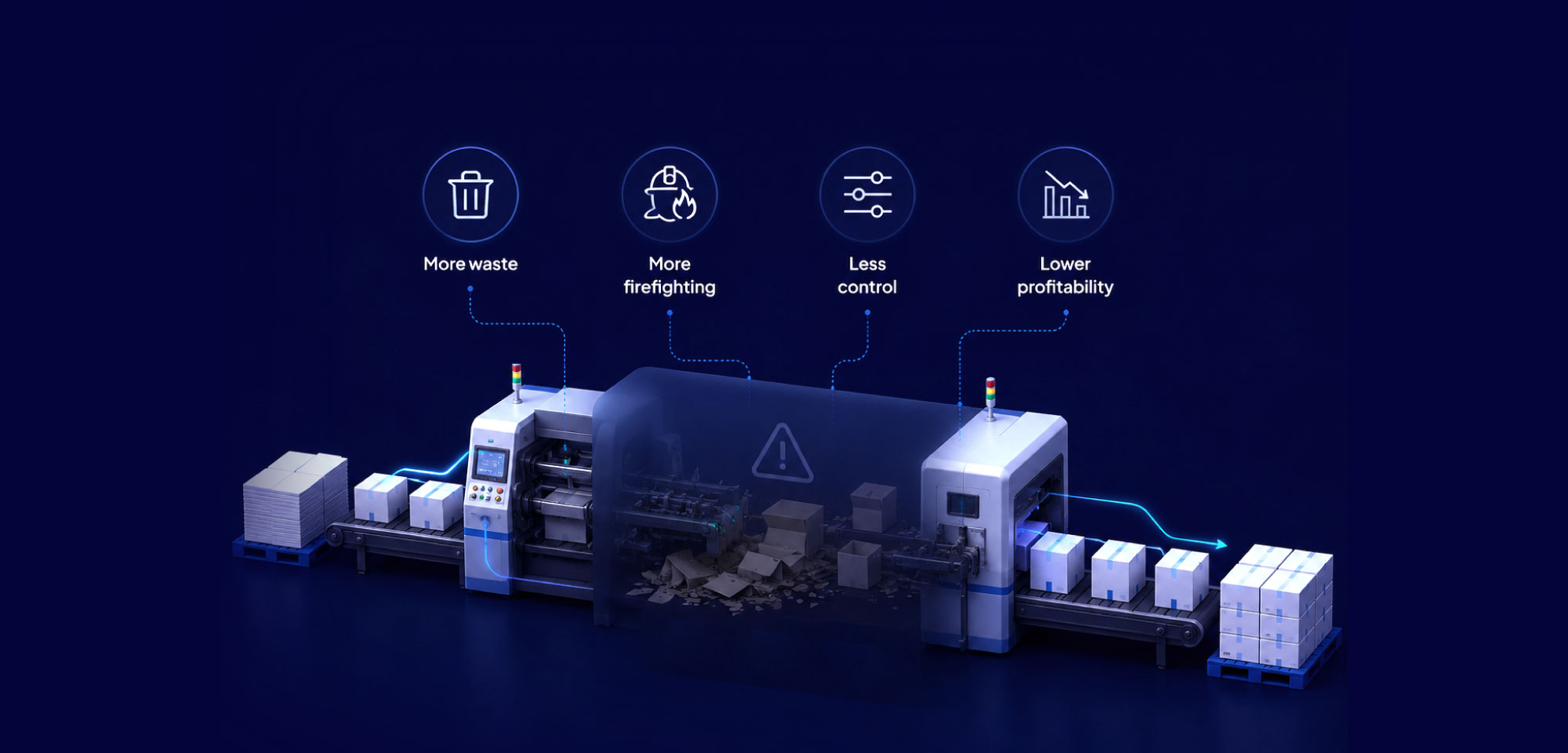
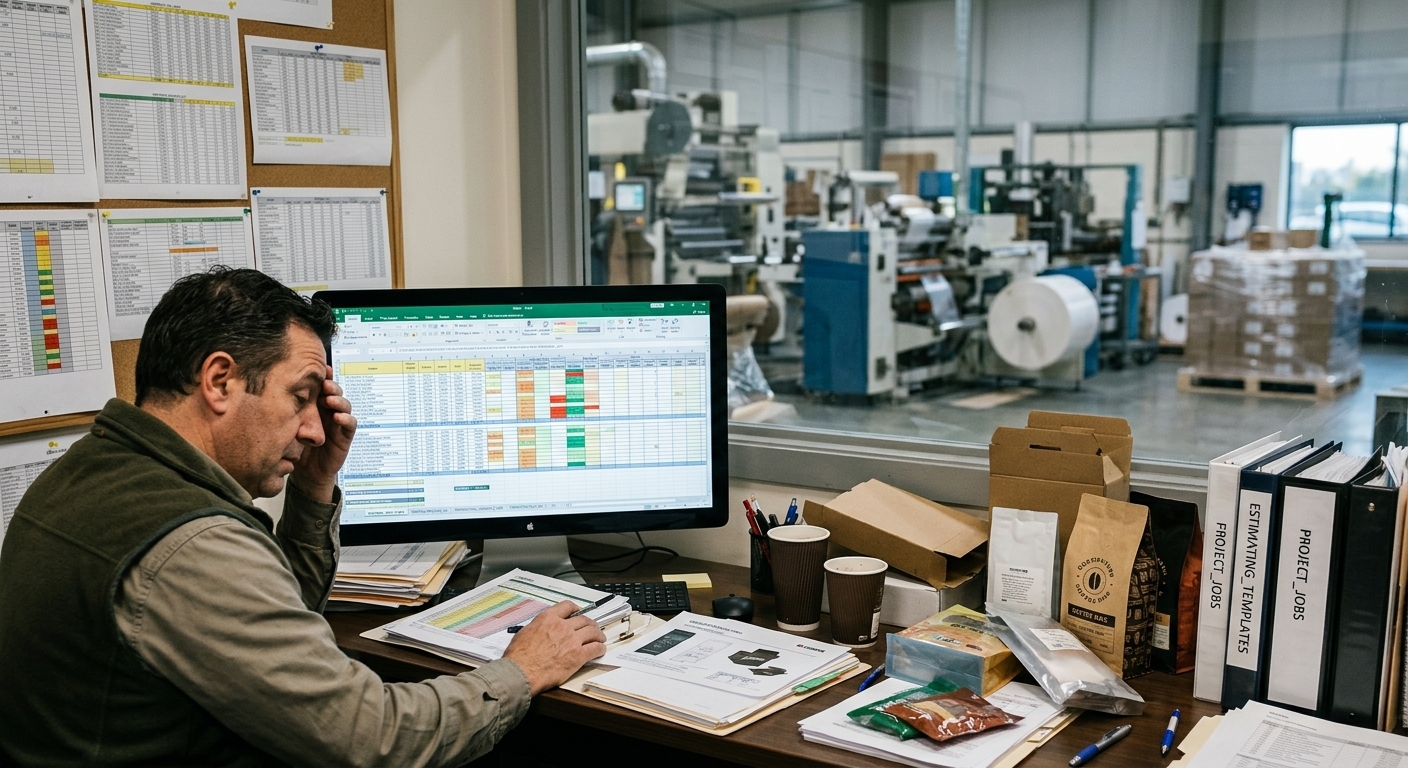
The traditional response is to adjust. An experienced operator changes a heat setting, tweaks the glue application, and adjusts speed until the board starts looking better. Sometimes this works quickly. Sometimes it takes several hours and a significant amount of waste before the run stabilises. Often, the next shift needs to rediscover the same adjustments because nothing was formally recorded.
This is trial and error, and it is both expensive and unnecessary when an alternative approach is available.
Why Paper Quality Changes, and Why It Matters More Now
Paper is not a perfectly consistent commodity. The recycled fibre content of containerboard has generally increased over the years as the industry pursues sustainability goals, and recycled fibre introduces more variability than virgin fibre in terms of ring crush values, tensile strength, and moisture absorption characteristics. Mill operational factors, seasonal raw material variation, and procurement economics mean that consecutive rolls from the same supplier and grade can have meaningfully different actual properties.
For a heavily specified board, this variability is largely inconsequential because the structural headroom absorbs it. For a lightweighted board operating closer to its performance threshold, the same degree of material variability has a much more direct effect on output quality.
The Performance-Led Adaptation Approach
Adapting to material variability using performance outcomes starts with measurement. Rather than waiting for the board to look wrong, or worse, waiting for a customer to report a problem, consistent measurement of ECT, bond strength, moisture, and warp throughout a run creates an early-warning system. When results begin to move, the question "what changed?" can be answered by correlating the performance shift with available data about the incoming materials.
If moisture content in the incoming rolls is measurably higher than the previous batch, that becomes a clear starting point for recipe adjustment. Rather than experimenting from scratch, an operator can consult the plant's documented experience with similar moisture conditions and make a targeted adjustment, such as raising pre-heater temperature or adjusting glue viscosity, based on what has worked before.
Over time, as more material variation events are documented alongside their recipe responses and quality outcomes, the plant builds a knowledge base: a record of what works under what conditions. This is not trial and error. It is systematic adaptation, guided by data, that becomes more efficient with each iteration.
Closing the Gap Between QA and Production
One of the structural challenges in many plants is that quality data and production decisions live in different places. Lab results may be recorded carefully, but if they are not visible to the operator managing the corrugator in real time, or if there is no formal mechanism for translating a quality measurement into a recipe adjustment recommendation, the information does not do the work it should.
Connecting the feedback loop between measurement and decision is essential to making performance-led adaptation work in practice. It requires consistent data capture, visibility to the right people at the right time, and a defined process for turning results into informed recipe changes rather than reactive tinkering.
Our guide to recipe management in corrugated covers the systematic approach to material variability, including how to structure the feedback loop between incoming paper data, quality measurement, and recipe adjustment decisions. Less trial and error; more informed adaptation.